
Affordability Checks in UK Online Gambling: The Policy Debate Explained
A proposal for intrusive financial checks on gamblers has ignited one of the most heated debates in the UK’s Gambling Act review. At the heart of the government’s 2023 Gambling White Paper lies a contentious measure designed to prevent financial harm: affordability assessments. As the Gambling Commission consults on the finer details, the policy has fractured opinion, pitting harm prevention advocates against industry giants, racing bodies, and players who view it as a profound overreach into personal privacy. This debate, central to the future of UK casino regulation and online betting, will define the landscape of consumer protection for years to come.
What Are Affordability Checks and Why Are They Proposed?
Affordability checks, as outlined by the Gambling Commission and the government’s White Paper, are financial assessments that operators would be mandated to perform on customers to determine if their gambling expenditure is sustainable. The core objective is to prevent catastrophic financial loss and harm by intervening before a player spends beyond their means. The concept hinges on identifying a customer’s ‘financial risk’ by benchmarking their gambling activity against a measure of their ‘net disposable income’ (NDI). Proposed thresholds, though not yet finalised, could trigger checks at losses as low as £125 per month for some customers, escalating to more stringent verification for higher loss levels.
The Core Principle: Frictionless and Frictionful Checks
The proposed system operates on a two-tier model. Initial ‘frictionless’ checks would occur in the background, using publicly available data or credit reference agency information to verify affordability without direct customer involvement. If these checks cannot confirm financial safety, or if losses hit higher thresholds, ‘frictionful’ checks are triggered. These require the customer to proactively provide evidence of their financial situation, such as bank statements or payslips, to continue gambling at their current level.
The White Paper’s ‘Risk-Based’ Approach
The 2023 Gambling White Paper advocates for a risk-based framework. This means the intensity and frequency of checks are not one-size-fits-all but are calibrated to indicators of potential harm. Factors like a customer’s age, gambling patterns, and the products they use (e.g., high-speed online slots) would influence the scrutiny applied. The Department for Digital, Culture, Media & Sport (DCMS) argues this targeted approach focuses resources on those most at risk while minimising intrusion for the majority of recreational gamblers.
The Industry Backlash and Practical Concerns
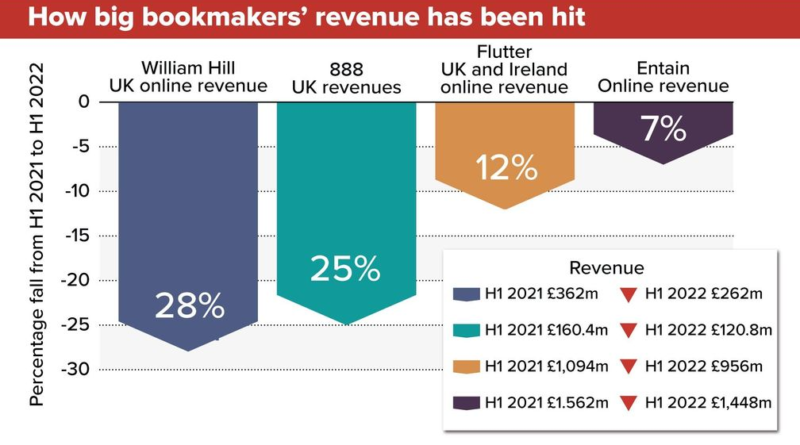
The proposal has met fierce opposition from major operators and industry bodies. Companies like Entain and Flutter have voiced significant concerns, warning that poorly calibrated checks could fundamentally damage the regulated market. The Betting and Gaming Council (BGC) launched its high-profile ‘Don’t Judge Me’ campaign, highlighting stories of responsible gamblers who view the checks as stigmatising and invasive. The backlash centres on two major fears: the migration of players to unlicensed websites and severe operational challenges.
The Black Market Threat: A Warning from the Industry
A consistent argument from the BGC and its members is that intrusive affordability checks will drive a substantial number of players toward unregulated black market operators. These offshore sites do not perform any affordability or identity checks, offer no player protection tools like deposit limits or self-exclusion, and contribute no tax to the UK Exchequer. The industry cites market research suggesting that a significant percentage of customers would consider switching to these illicit platforms if asked to share private financial data.
Operational Hurdles and Customer Friction
Beyond the black market risk, operators point to immense practical difficulties. Creating a system for securely handling sensitive financial data presents a major compliance and IT burden. Furthermore, the shift from ‘frictionless’ to ‘frictionful’ checks is seen as a critical moment where customer experience breaks down. Being asked for bank statements mid-activity is viewed as deeply off-putting, likely leading to widespread customer churn and complaints, even among those not at risk of harm.
Player Perspectives and Privacy Fears
The player reaction has been one of palpable anger and anxiety. On racing forums, social media, and in submissions to the DCMS consultation, a common theme emerges: a profound sense of being unfairly monitored and ‘nannied’ by the state. Many responsible gamblers argue that adults should be free to spend their discretionary income without justifying their leisure choices to a betting company. The privacy implications are a primary concern, with players wary of creating a financial profile tied to their gambling activity that could be vulnerable to data breaches. This perspective starkly contrasts with that of harm prevention charities like Gambling with Lives, who argue that such checks are a necessary and proportionate intervention to prevent life-ruining losses, framing them as a public health measure akin to credit checks for loans.
How Affordability Interacts with Other Safeguards
Affordability checks are not intended to exist in a vacuum; they are designed to be part of an enhanced safety net that includes existing player protection tools. The policy’s effectiveness hinges on how it integrates with mechanisms like mandatory deposit limits and the national self-exclusion scheme, GamStop. A key proposal within the White Paper is the development of a more sophisticated data-sharing framework, potentially moving toward a ‘single customer view’ across licensed operators. This would allow for a more cohesive understanding of a player’s total gambling activity, making affordability assessments more accurate and preventing harm from cross-operator spending.
The Role of GamStop and Enhanced Data Sharing
While GamStop allows individuals to self-exclude from all licensed sites, affordability checks aim for proactive, operator-led intervention. The vision is a layered defence:
- GamStop: A voluntary, nuclear option for those recognising they need a complete break.
- Deposit Limits: Customer-set or mandatory hard limits on spending over time.
- Affordability Checks: Operator-led assessments to intervene where spending appears disproportionate to income, even if limits haven’t been reached.
Enhanced data sharing, governed by strict privacy laws, is the glue that could bind these systems, ensuring a player’s risk profile is recognised industry-wide.
The Path Forward: Implementation and Consultation
The final shape of affordability checks remains uncertain, residing in a complex phase of consultation and political pressure. The Gambling Commission is currently running consultations on the precise design and thresholds for these checks. Meanwhile, significant political pushback has emerged, particularly from MPs with strong horseracing interests. They argue that the checks could devastate racing’s funding model, which relies heavily on betting levy and media rights income derived from online wagering. The government and regulator must now navigate a path that addresses legitimate harm prevention concerns while mitigating the risks of consumer flight and industry upheaval.
The affordability checks debate is more than a technical regulatory discussion; it is a crucial test of the UK’s ability to balance innovative consumer protection with personal freedom in the digital age. The outcome will set a global precedent for how democracies regulate online gambling, determining whether a model can be found that genuinely protects the vulnerable without unduly burdening the responsible majority or undermining a regulated industry.